The Daily Rhythm – Core Habits for a Healthy Horse
Establishing and maintaining a consistent routine is fundamental to responsible horse ownership and plays a vital role in ensuring the health and well-being of equine companions. Horses, by nature, are creatures of habit; they thrive on predictability in their daily lives. A regular schedule for feeding, turnout, exercise, and general care helps regulate their sensitive digestive systems, minimizes stress, and fosters a sense of security. Perhaps most importantly for the caregiver, a consistent routine provides a crucial baseline against which the horse’s normal behavior and physical state can be measured. Deviations from this established norm—such as a horse leaving feed uneaten, showing reluctance to move, exhibiting changes in manure consistency, or displaying uncharacteristic lethargy—are often the very first, subtle indicators that something may be amiss.
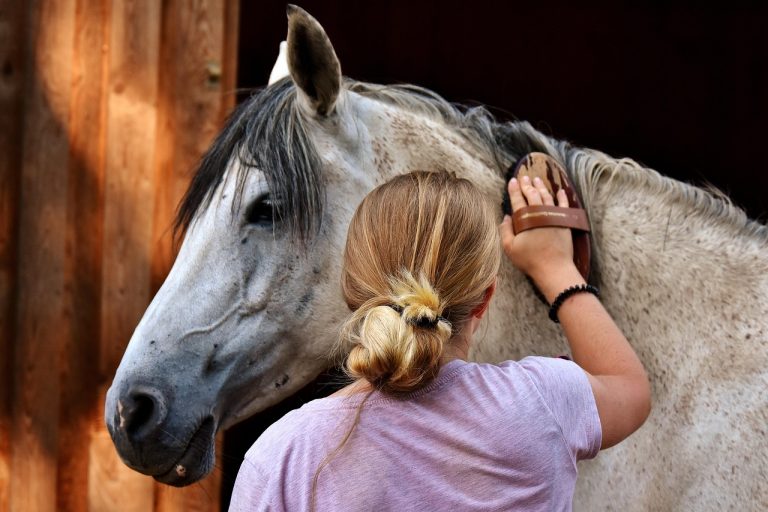
Adopting a routine approach shifts horse care from being merely reactive—addressing problems as they arise—to being proactively focused on health management. Daily visual checks , consistent feeding schedules , and regular hands-on care like grooming allow owners to detect minor issues promptly, often preventing them from escalating into more serious or emergency situations. This proactive stance aligns directly with the core responsibility inherent in horse ownership: the commitment to keeping the animal healthy, safe, and free from pain. Furthermore, the daily interactions involved in routine care, such as feeding, grooming, and handling, serve to strengthen the bond and build mutual trust between the horse and owner. The very consistency that benefits the horse’s physical and mental state also transforms the routine itself into a powerful, personalized health monitoring system for the observant owner, enabling earlier detection of potential problems than might occur with less structured observation.
The foundation of responsible horse ownership is built upon the consistent and diligent execution of daily tasks. These are not merely chores but fundamental practices that ensure a horse’s physical and mental well-being. The daily rhythm of care establishes a deep, intuitive connection between owner and animal, creating a baseline of normalcy against which any deviation can be quickly identified. This consistency in small, daily actions is the most effective strategy for preventing major health crises and fostering a thriving equine partner.