Daily Essentials: Building a Healthy Foundation
Consistent daily care forms the bedrock of a horse’s health. Addressing fundamental needs for nourishment, hydration, a clean environment, and regular observation each day is essential for long-term well-being.
Nourishment: Feeding Best Practices
The cornerstone of any equine diet is high-quality forage, reflecting the horse’s natural design as a grazing animal. Horses are trickle feeders, evolved to spend 14 to 20 hours a day consuming fibrous plant material. Their digestive systems are specifically adapted to process a continuous flow of roughage, making good-quality hay or pasture the most critical component of their diet. As a general starting point, a horse should consume approximately 1-2% 8 or 1.5-2% 2 of its body weight in forage daily. For an average 1,000-pound horse, this translates to 15-20 pounds of hay per day 2, although some guidelines suggest slightly higher amounts depending on how forage (fodder) and concentrates are defined. It is crucial to understand these are guidelines, not rigid rules.
Grain or concentrated feeds should be viewed as supplements to the forage-based diet, primarily used to provide specific nutrients or additional calories when forage alone is insufficient, such as for horses in heavy work or with specific health needs. Many pleasure horses do well on good-quality forage alone. When grain is fed, it should be given in multiple small meals throughout the day rather than one or two large ones. This mimics natural grazing patterns and allows for better digestion, reducing the risk of serious digestive upsets like colic or founder.
Critically, feeding must be individualized. Every horse’s needs differ based on factors like age, breed, body condition, temperament, workload, and the quality and quantity of available pasture. Rations should be adjusted if the horse’s activity level changes. Monitoring the horse’s body condition score, energy levels, and manure consistency is essential for fine-tuning the diet. While scientific guidelines provide a starting point, the practical application of feeding involves careful observation and adjustment – it is both a science and an art. Consulting with a veterinarian or equine nutritionist can be invaluable in developing the right feeding plan.
Accuracy and consistency are key in daily feeding management. Initially measuring feed by weight using a scale ensures accuracy. Once the correct weight is determined, consistent volume measures (like specific scoops or cans) can be used for daily feeding. Maintaining consistent feeding times each day also supports digestive health and aligns with the horse’s preference for routine.1 Any changes to the type or amount of feed must be made gradually, ideally over several days or even weeks, to allow the horse’s digestive system to adapt and prevent potentially life-threatening conditions like colic. A common method is to replace 25% of the old feed with the new feed every two days. Proper feed storage in clean, dry, vermin-proof containers is also necessary to maintain nutritional quality and prevent contamination. Treats like carrots or apples can be given in moderation, cut into small pieces to prevent choking.
Hydration: Ensuring Access to Clean Water
Water is the most essential nutrient, and horses require constant access to clean, fresh water sources. This applies whether the horse is in a stall, paddock, or pasture. Daily water consumption varies significantly based on factors like weather conditions (temperature and humidity), diet composition (horses on hay drink more than those on lush pasture ), and level of exercise or work. Typical intake ranges from 5 to 10 gallons or 25 to 55 liters per day.
Maintaining the cleanliness of water receptacles is paramount. Buckets, troughs, and automatic waterer bowls should be scrubbed clean daily. Stagnant water in stalls can absorb ammonia from bedding, potentially making it unpalatable, while outdoor troughs can become contaminated with feed, dirt, algae, bird droppings, or other debris. Since horses may refuse to drink water that is dirty or tastes unpleasant, diligent cleaning is crucial not just for hygiene but to ensure adequate intake and prevent dehydration. The quality and palatability of the water directly impact consumption.
During winter months, owners must be particularly vigilant in checking water sources frequently to ensure they have not frozen over. Providing heated water, ideally around 45°F (7°C), can significantly encourage horses to drink more during cold weather. While automatic waterers offer convenience, they can make it difficult to monitor exactly how much a horse is drinking. Using buckets, perhaps stabilized inside old tires to prevent tipping , allows for easy monitoring of intake. Natural water sources like ponds or streams should be approached with caution, as they may not always be safe for drinking, and an alternative clean source should always be provided. Following exercise, horses should be allowed access to water during the cool-down period to replenish fluids lost through sweat.
Environment: Shelter and Stall Hygiene
Providing adequate shelter and maintaining a clean living environment are essential daily tasks for horse health and safety. Horses require protection from environmental extremes, including harsh wind, rain, snow, and intense sun. Shelter can range from natural features like tree lines to constructed run-in sheds or enclosed barns with stalls. Regardless of the type, any shelter must be large enough to comfortably accommodate all horses using it simultaneously, allowing them space to stand, turn around, and lie down without conflict. Standard recommendations suggest a 12′ x 12′ stall for an average riding horse, with larger dimensions needed for bigger breeds, stallions, or foaling mares. Run-in sheds should provide ample square footage per horse (e.g., starting at 240 sq ft for two horses, plus 60 sq ft for each additional horse, or 150 sq ft per horse).
For horses kept in stalls, daily cleaning, often referred to as “mucking out,” is non-negotiable. This involves removing all manure and soiled or wet bedding, typically done once or twice daily. Failure to do so allows ammonia gas to build up from urine and manure decomposition. Ammonia is irritating and harmful to a horse’s respiratory system and can damage hoof tissue, contributing to conditions like thrush. Providing clean, dry bedding (such as shavings, straw, or pellets) offers comfort, absorbs moisture, and helps keep the horse clean. The choice of bedding material often depends on availability, cost, and absorbency.
Good ventilation is critical in any equine housing, whether a stall or a run-in shed. Adequate airflow helps control temperature and humidity, removes dust and airborne irritants, and prevents the buildup of harmful gases like ammonia. Poor ventilation directly contributes to respiratory problems. Daily checks of the horse’s environment should also include inspecting for potential safety hazards. Walls should be smooth and free of protruding nails, screws, or sharp edges. Doorways and ceilings must provide adequate clearance (minimum 8 ft height for doors and ceilings) to prevent injury. Flooring should provide good traction and be well-drained. Maintaining a clean and safe environment is a direct investment in preventing common respiratory and hoof ailments.
The Daily Once-Over: Visual Health & Wellness Checks
Performing a quick but thorough visual inspection of each horse every day is a fundamental aspect of proactive health management. This “once-over” allows owners to catch potential problems in their earliest stages. The check should include a scan of the horse’s entire body—legs, head, torso—looking for any new cuts, scrapes, punctures, swelling, heat, or skin abnormalities. Any minor injuries found should be cleaned and treated promptly according to basic first aid principles.
Beyond the body scan, attention should be paid to the horse’s general appearance and demeanor. Check the eyes and nose for any abnormal discharge (clear discharge may be normal, but thick, colored discharge often indicates infection). Listen for any coughing or wheezing sounds. Observe the horse’s attitude: Is it bright, alert, and interested in its surroundings, or does it appear lethargic, depressed, or unusually quiet?. Changes in normal behavior, such as a typically social horse standing off by itself, can be significant. Appetite is a key indicator; note if the horse is eating less vigorously than usual or leaving feed behind.
How the horse stands and moves is also informative. Reluctance to move, shifting weight frequently between legs, or adopting an unusual posture (like stretching out as if to urinate, which can indicate abdominal pain) can signal pain or conditions like laminitis, founder, or colic. A brief check of the manure pile can also provide clues—note the consistency and quantity, as significant changes, particularly diarrhea, warrant close monitoring and potentially veterinary consultation. These daily checks are most effective when integrated into routine interactions like feeding or grooming times.2 The true value of this daily check lies in the owner’s intimate knowledge of their individual horse’s normal state. Recognizing what constitutes an “abnormal” sign—a subtle change in energy level, a slight decrease in appetite, a posture held slightly differently—depends entirely on being familiar with that horse’s specific baseline. This underscores the importance of consistent, observant daily interaction.
Happy Feet: Daily Hoof Picking and Inspection
Daily attention to a horse’s hooves is essential for preventing lameness and maintaining soundness. Picking out the hooves each day removes accumulated dirt, manure, rocks, bedding, or other debris from the sole and the grooves alongside the frog (commissures). This simple act serves several critical functions. Firstly, it prevents the buildup of packed material, particularly manure and mud, which creates an anaerobic environment ideal for the bacteria and fungi that cause thrush, a common infection of the frog characterized by a foul odor and black discharge. Secondly, cleaning the hoof allows for thorough daily inspection.
During the cleaning process, the owner should carefully examine the entire underside of the hoof—sole, frog, and hoof wall—for any signs of trouble. This includes looking for bruises (discoloration), cracks, puncture wounds (which can lead to deep infections or abscesses), or any foreign objects like sharp stones or nails embedded in the hoof. The frog itself should be felt to ensure it is firm yet pliable. If the horse is shod, the shoes should be checked for any signs of looseness, excessive wear, or risen clenches (the bent-over ends of the nails).
The process of picking hooves requires safe handling. The horse should be securely tied or held. The handler should stand facing the rear of the horse, run a hand down the leg to signal intent, and ask the horse to lift its foot, supporting it properly. The hoof pick should be used carefully, working from the heel towards the toe, paying particular attention to cleaning the commissures alongside the frog but avoiding overly aggressive digging into the sensitive frog tissue itself. A hoof brush can help remove remaining loose debris. Safety precautions include not kneeling, staying close to the horse to minimize impact if kicked, and keeping one’s face away from the hoof. Hoof health is also linked to the environment; maintaining clean, dry footing in stalls and paddocks helps prevent problems. In winter, daily removal of packed snow and ice is important to prevent discomfort and potential injury. Ultimately, daily hoof picking is a critical preventative health practice, allowing for the early detection and treatment of issues that could otherwise lead to significant pain and lameness.
Grooming for Health and Bonding
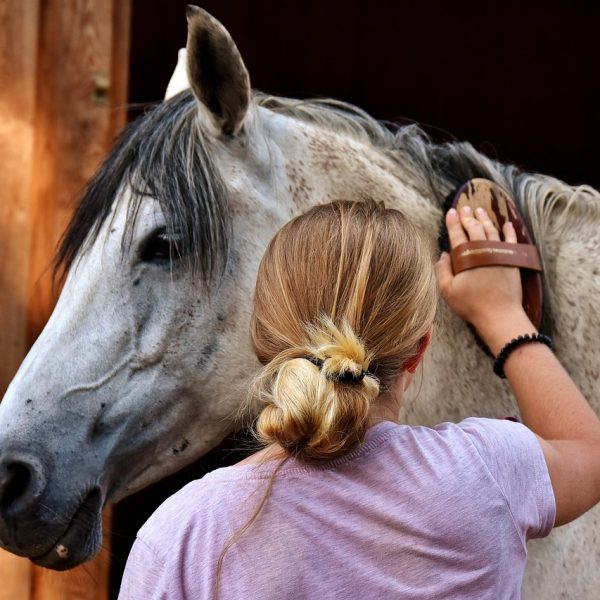
Daily grooming is more than just keeping a horse looking clean; it’s an important part of health maintenance and relationship building. The basic daily routine typically involves using a sequence of tools to remove dirt, loose hair, and debris from the coat. A curry comb (rubber or plastic) is used first in circular motions to loosen dirt, mud, and shedding hair. This is followed by a dandy brush (stiff bristles) to flick away the loosened dirt and hair. Finally, a soft body brush removes finer dust particles and helps distribute the horse’s natural skin oils, creating a healthy sheen. The soft brush can also be used gently on the more sensitive areas of the face and legs. The mane and tail should be carefully detangled, often using fingers first, followed by a wide-toothed comb or specific mane and tail brush to minimize hair breakage.
The benefits extend far beyond aesthetics. Grooming stimulates blood circulation to the skin and allows the owner to perform a systematic, hands-on inspection of the horse’s entire body surface. This tactile examination is invaluable for detecting issues that might be missed in a visual check, such as cuts, scrapes, sores, skin infections (like rain scald or ringworm), parasites (like ticks ), lumps, bumps, areas of heat or swelling, or muscle soreness. It complements the daily visual check and hoof inspection, providing a more comprehensive health assessment.
Furthermore, the time spent grooming provides an excellent opportunity for physical contact and communication, strengthening the bond and trust between horse and owner. Basic grooming tools include a curry comb, dandy brush, soft brush, mane and tail comb/brush, and a hoof pick. To minimize the potential spread of skin diseases, it’s good practice to assign a separate set of grooming tools to each horse if possible. As with all handling, safety is important during grooming. Ensure the horse is tied securely with a quick-release knot or held by an assistant, and remain aware of the horse’s body language and potential kick zones.